
U.S. World Cup Bid Could Reshape South Florida's Economic Reality
International sporting events bring opportunity and challenge to the region. What does a potential U.S. host role mean for local workers and businesses?
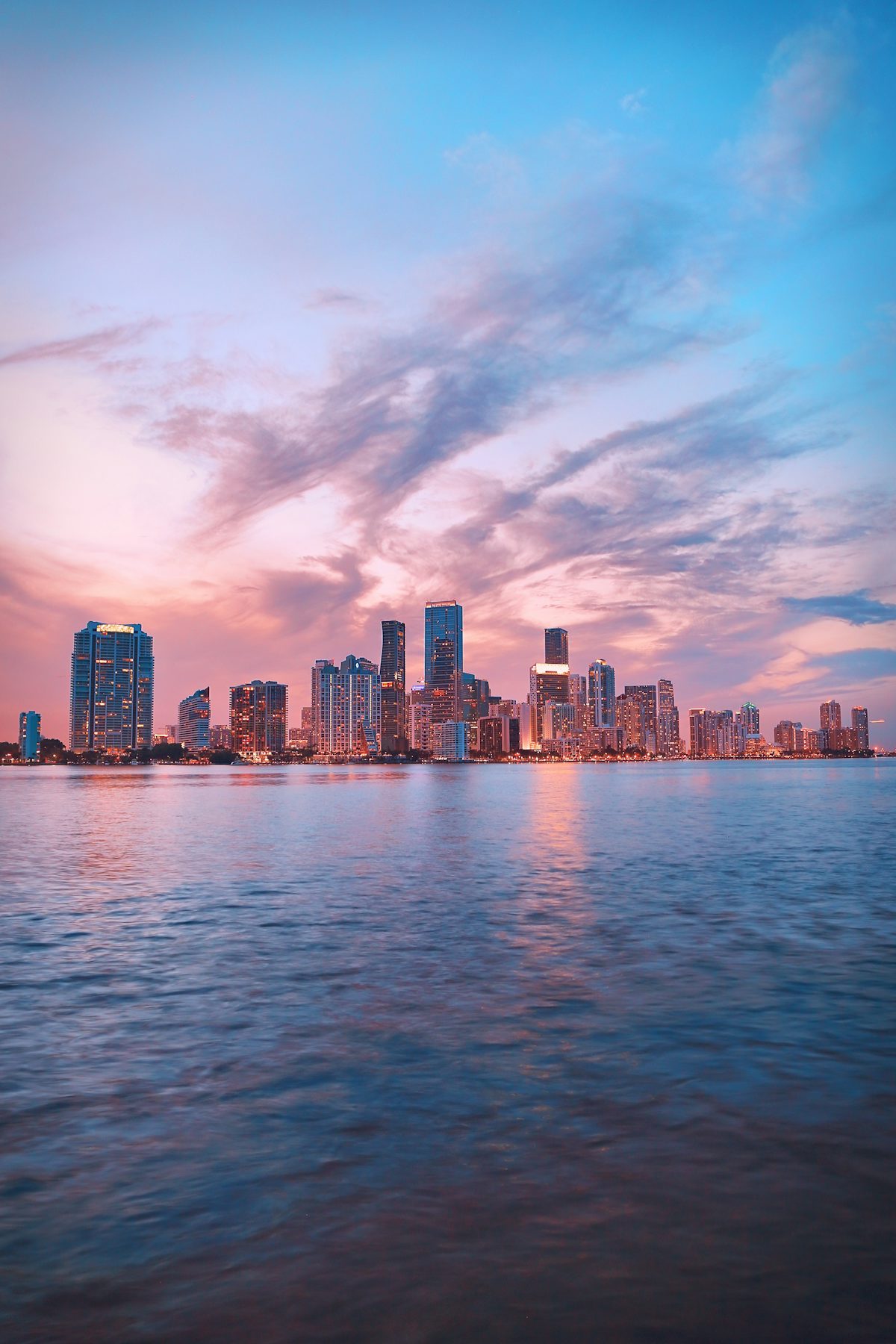
South Florida may play a significant role if the United States wins a bid to host the FIFA World Cup, raising important questions about the economic ripple effects such a major international event could have across the region. The prospect of hosting matches and drawing global attention has sparked discussion among local officials and economists about both the opportunities and challenges that would accompany preparation for and execution of such a massive sporting spectacle.
For South Florida residents and businesses, a World Cup presence could reshape employment, hospitality, and infrastructure spending in ways both direct and indirect. The hospitality industry—hotels, restaurants, transportation, and entertainment venues—would likely experience increased demand. Construction and service-sector workers might find new opportunities. At the same time, housing costs, traffic congestion, and resource allocation would present real challenges during preparation and the event itself.
South Florida's economy has long depended on tourism and international visitors, making it a natural consideration for major sporting events. The region's infrastructure, airports, stadiums, and accommodation capacity already position it as a potential host destination. However, the impact of large-scale events on local workforces and communities is complex. Economists and planners typically examine questions around job creation, wage sustainability, housing affordability, and whether economic benefits reach workers beyond the event season itself.
For residents, understanding how international events like the World Cup could affect daily life—from traffic and construction timelines to housing availability and business opportunities—matters practically. Visitors and tourists planning trips would similarly benefit from clarity about what a host bid might mean for travel, accommodation, and experience planning in South Florida. Local small businesses may see benefits, though preparation periods often bring disruption.
As South Florida continues to grow and attract global attention, conversations about hosting major international events remain relevant to the region's long-term development strategy. How—and whether—the area prepares for and manages such opportunities will likely influence not only the immediate economic picture but also the community's character and quality of life for years to come.
Frequently asked questions
Could South Florida host World Cup matches?
South Florida is being discussed as a potential location for U.S. World Cup matches, which raises questions about economic and infrastructure impacts on the region.
How would a World Cup affect South Florida workers?
A World Cup could create jobs in hospitality, construction, and services, though economists consider both opportunities and challenges like housing and wage sustainability.
What industries in South Florida would benefit from the World Cup?
Hotels, restaurants, transportation, entertainment, and construction sectors could see increased demand and employment during World Cup preparation and hosting.
What challenges might South Florida face hosting the World Cup?
Potential challenges include traffic congestion, housing affordability pressures, construction disruption, and ensuring economic benefits reach workers beyond the event.
Why does South Florida matter for a World Cup bid?
South Florida's existing tourism infrastructure, airports, stadiums, and international visitor base make it a natural consideration for hosting major sporting events.
What should South Florida residents know about a World Cup bid?
Residents should understand that hosting could affect daily life through construction, traffic, and housing availability, while creating some job opportunities in service industries.
When would South Florida need to prepare for World Cup hosting?
Preparation timelines would begin well in advance of any World Cup event, involving infrastructure planning and workforce coordination across the region.
How do major sporting events typically impact local economies?
Large events like the World Cup can boost short-term tourism and employment but require careful planning to ensure sustainable benefits for workers and communities.