
Fort Lauderdale Storms Move North as Heavy Rains Trigger Water Rescues
Tropical weather pattern brings significant rainfall to Central Florida's Space Coast region, with rescue operations underway across the area.
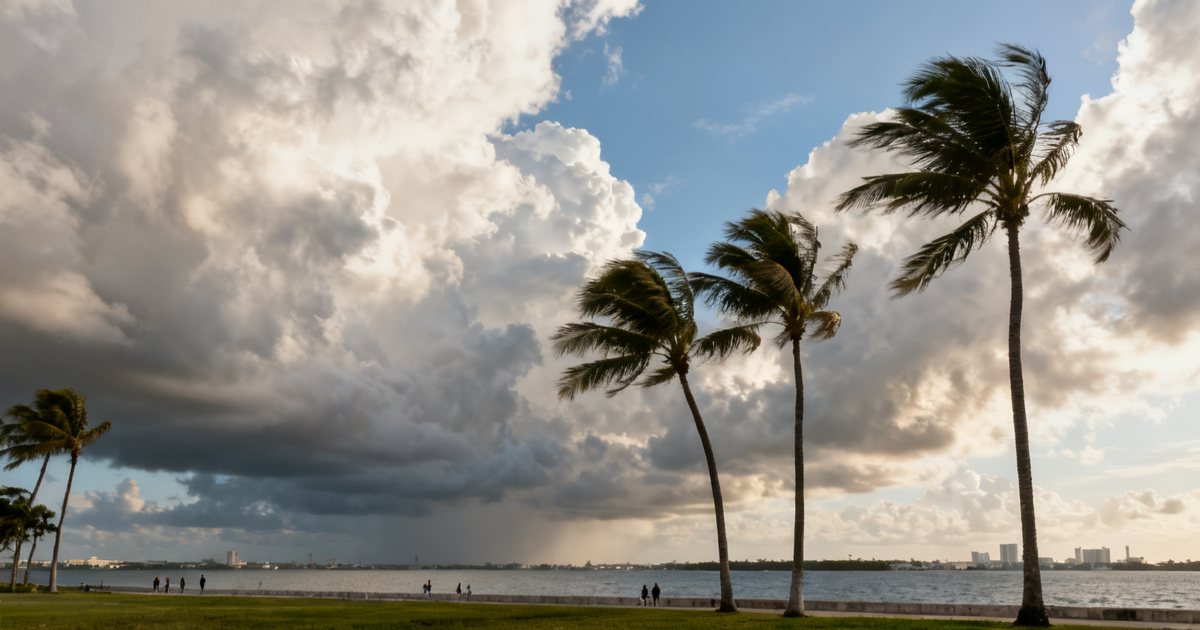
Severe weather conditions associated with heavy tropical rainfall have shifted northward from South Florida toward Florida's Space Coast region, prompting emergency water rescue operations in affected communities. The storms brought the kind of intense precipitation that characterizes South Florida's summer and early fall season, creating hazardous conditions that required first responder intervention.
While the most significant impacts moved north of Fort Lauderdale, residents in Broward County are accustomed to monitoring such weather patterns closely. The local area frequently experiences similar moisture-laden systems during peak Atlantic hurricane season and tropical weather cycles. For Fort Lauderdale specifically, understanding how these storm systems track and shift helps residents and emergency managers prepare for rapid-changing conditions that could bring heavy rain and localized flooding to Broward's low-lying areas.
South Florida's geography makes the region particularly vulnerable to water accumulation during intense rainfall events. The area's flat terrain, proximity to ocean and bay systems, and extensive network of canals and waterways mean that even moderate tropical systems can produce significant localized flooding. The Space Coast, located about 150 miles north of Fort Lauderdale, faces similar challenges due to comparable coastal and wetland geography. When weather systems of this magnitude move through Florida, communities up and down the state activate emergency protocols to manage water rescue situations and monitor rising water levels.
For Fort Lauderdale residents and visitors, these weather events underscore the importance of staying informed during tropical weather season. Monitoring local emergency alerts, understanding evacuation zones, and knowing how to access real-time weather updates remain essential practices. Even when storms track away from Broward County, the broader regional weather pattern can shift quickly, potentially bringing conditions that affect the Fort Lauderdale area within hours.
These recurring weather scenarios reflect the broader reality of living and visiting Florida's coastal regions. The state's Atlantic location, warm ocean waters, and subtropical climate create an environment where intense rainfall and water-related emergencies remain part of the seasonal risk profile. Understanding these patterns and maintaining preparedness help communities like Fort Lauderdale respond effectively when weather systems bring challenging conditions.
More Fort Lauderdale news
Fort Lauderdale Rideshare Driver Killed in Attempted Carjacking
A tragic incident on Thanksgiving morning resulted in the death of a rideshare driver. An 18-year-old suspect has been arrested and charged in connection with the fatal encounter.
Fort Lauderdale Rideshare Driver Killed After Refusing Ride
An 18-year-old has been charged with murder in connection with a fatal shooting in Fort Lauderdale's Las Olas area, according to law enforcement.
Fort Lauderdale Carjacking Leads to Fatal Shooting, 18-Year-Old Arrested
Law enforcement arrests teenager in connection with violent carjacking incident that resulted in a death in Fort Lauderdale.
Explore Fort Lauderdale
Discover the best-rated local businesses in Fort Lauderdale in the South Florida Faves directory.
Frequently asked questions
What weather is happening in Fort Lauderdale right now?
Heavy tropical storms have moved north from the Fort Lauderdale area toward Florida's Space Coast, prompting water rescue operations in affected communities.
Are storms affecting Fort Lauderdale today?
The most significant rainfall has shifted northward from South Florida, though Fort Lauderdale residents should remain weather-aware during tropical storm seasons.
Why do water rescues happen during Florida storms?
South Florida's flat terrain and extensive waterway systems, like those near Fort Lauderdale, make the region prone to rapid water accumulation and localized flooding during intense rainfall.
What should Fort Lauderdale residents do during heavy storms?
Stay informed through local emergency alerts, monitor weather updates, know your evacuation zone, and prepare for rapid weather changes during storm season.
How often do these storms affect South Florida?
Fort Lauderdale and surrounding Broward County experience these tropical weather systems most frequently during Atlantic hurricane season, typically June through November.
Where are the water rescues happening?
The water rescues are occurring in Florida's Space Coast region, located about 150 miles north of Fort Lauderdale along the central Atlantic coast.
What makes Fort Lauderdale vulnerable to flooding?
The area's low elevation, coastal location, and network of canals and waterways make Fort Lauderdale particularly susceptible to water accumulation during heavy rainfall events.