
South Florida Giardia Alert: What Miami Residents Need to Know About Waterborne Parasites
A diarrhea-causing parasite has surfaced in the region. Here's how to protect yourself and your family.
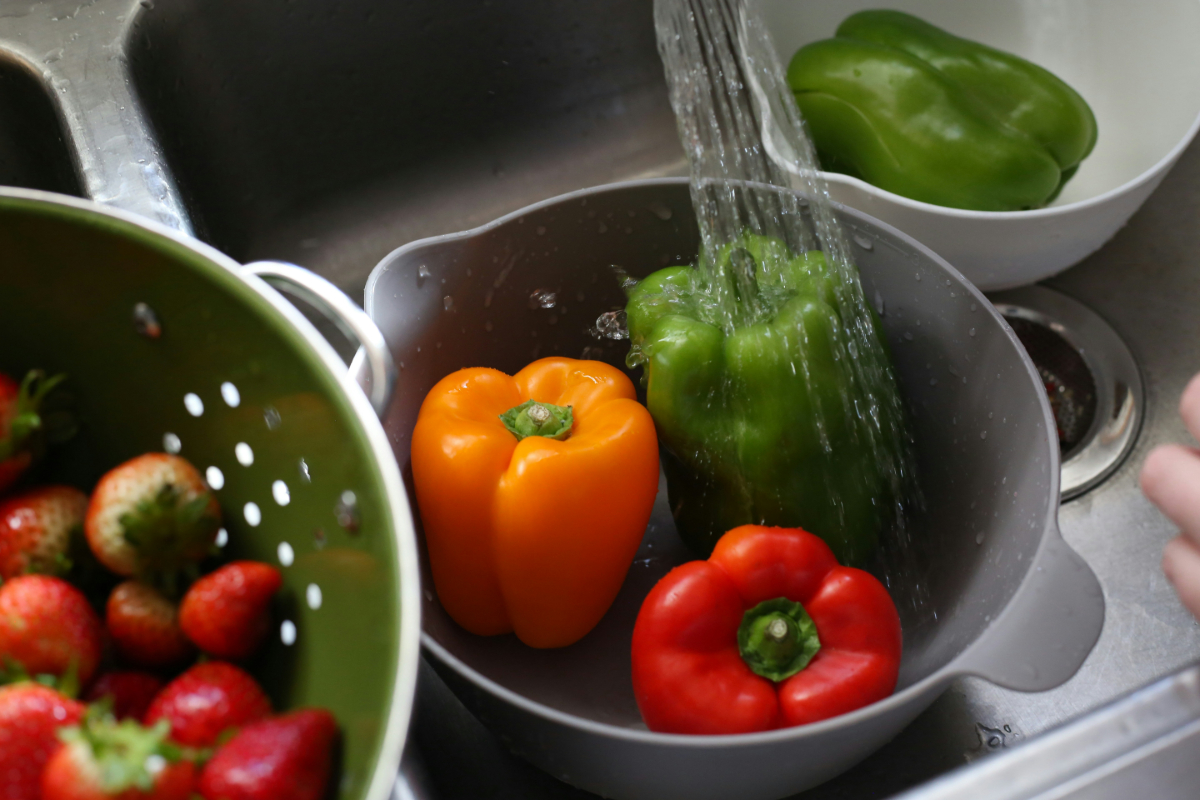
Health concerns about a parasitic infection transmitted through contaminated water and food have reached South Florida, prompting residents and visitors to take precautions with fresh produce and drinking water sources. The parasite in question causes gastrointestinal illness and can spread through various pathways, including unwashed fruits and vegetables. Local health officials and food safety experts are urging people to be vigilant about produce preparation and water safety.
For Miami-area residents, this advisory carries practical implications for daily routines. Whether shopping at farmers markets, grocery stores, or produce stands throughout Dade, Broward, and Palm Beach counties, simple hygiene habits can significantly reduce infection risk. The reminder to thoroughly wash berries and other fresh produce before consumption is straightforward guidance that applies to households across the region.
South Florida's subtropical climate and significant agricultural presence in surrounding counties mean residents regularly consume fresh fruits and vegetables from both local farms and national suppliers. The region's large population also means any foodborne illness concern can affect substantial numbers of people. Additionally, with Miami's tourism industry and transient population, waterborne illnesses are a recurring public health consideration that local authorities monitor closely.
For everyday residents and visitors, the practical takeaway is reinforcing basic food safety—rinsing produce under running water and following standard preparation protocols. This is especially important for households with young children, elderly family members, or immunocompromised individuals, who face higher risk of severe illness from parasitic infections. Travelers and locals alike should remain conscious of water sources, particularly in areas where water quality may be questionable.
This advisory fits into a broader pattern of South Florida managing seasonal and environmental health challenges. From heat-related illnesses to waterborne pathogens, the region's health systems and residents must stay informed and proactive. Staying updated on local health department guidance ensures that the Miami community can enjoy fresh produce and outdoor activities while minimizing preventable illness.
More Miami news
Best Miami Spots to Watch the 2026 FIFA World Cup
From beachfront venues to downtown gathering spots, here's where Miami fans can experience the global soccer spectacle together.
Norway Fans Could Strain Miami's Salmon Supply During World Cup
Norwegian supporters heading to South Florida for the tournament have arranged to import hundreds of pounds of salmon, raising questions about local seafood availability.
Miami's Pitbull Sets Guinness Record at London Show
The Miami rapper achieved an official world record when 22,000 fans at a London concert wore bald caps in a moment that turned online humor into verified achievement.
Explore Miami
Discover the best-rated local businesses in Miami in the South Florida Faves directory.
Frequently asked questions
What parasite is affecting South Florida?
A diarrhea-causing parasite has been identified in South Florida. It spreads through contaminated water and unwashed produce, particularly berries.
How can Miami residents protect themselves from this parasite?
Thoroughly wash all fresh produce, especially berries, under running water before eating. Ensure drinking water is from safe sources and practice standard food hygiene.
What are the symptoms of infection from this parasite?
The parasite causes gastrointestinal illness, primarily presenting as diarrhea. Symptoms typically develop after consuming contaminated food or water.
Who is most at risk in South Florida?
Young children, elderly individuals, and immunocompromised people face higher risk of severe illness from parasitic infections.
Where in Miami should people be cautious about water and food?
Residents throughout Miami-Dade, Broward, and Palm Beach counties should practice food safety with all fresh produce regardless of source—local farms or stores.
Is this a widespread problem in South Florida?
The advisory suggests parasitic concerns affecting the region. Local health departments monitor water quality and foodborne illness patterns regularly.