Supertifón Bavi azota territorios estadounidenses en el Pacífico
A powerful Pacific supertyphoon strikes U.S. territories in the western Pacific, reminding South Florida of tropical storm risks across America's broader coastal regions.
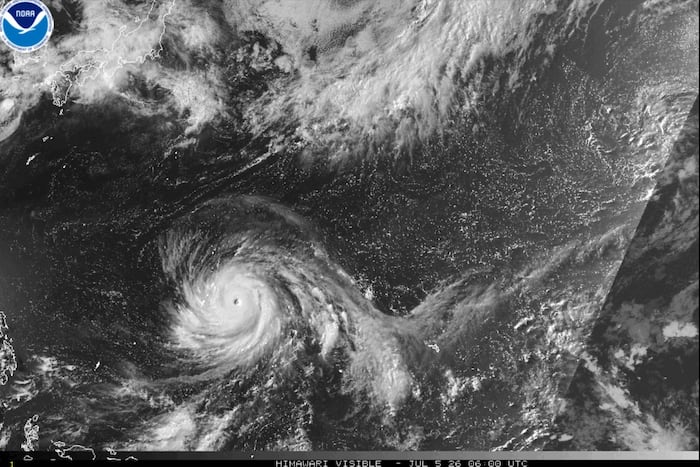
A major supertyphoon has brought destructive winds and heavy rainfall to the Northern Mariana Islands, according to reporting from local outlets. The storm, identified as Bavi, impacted U.S. territories in the western Pacific with severe weather conditions that posed significant hazards to the region.
While the Northern Mariana Islands are located thousands of miles from South Florida, the event underscores broader patterns of tropical cyclone activity that affect U.S. territories and possessions across multiple ocean basins. Miami-Dade County residents live in a region acutely aware of hurricane and tropical storm risk, and many follow Pacific storm systems as part of their general weather literacy and understanding of how tropical systems develop globally.
South Florida's position on the Atlantic coast means local hurricane threats come primarily from Atlantic and Gulf of Mexico systems, not Pacific ones. However, the seasonal tropical storm period—typically June through November—generates activity across multiple U.S. regions. Many Miami-Dade residents have family connections to Pacific territories or maintain professional and personal ties throughout the broader United States, making distant storm impacts personally relevant. Additionally, understanding global tropical cyclone patterns helps locals grasp the broader climate and weather systems that can influence Atlantic hurricane season strength and behavior.
For Miami-Dade residents and visitors, awareness of tropical storm activity worldwide reinforces the importance of local preparedness. While this particular storm occurs in the distant Pacific, it serves as a reminder that hurricane season is a genuine threat across multiple U.S. coastlines. Local officials and emergency management agencies continually encourage residents to maintain updated evacuation plans, stock emergency supplies, and stay informed through official weather channels during the active season.
The broader significance for South Florida lies in recognizing that tropical systems are a recurring feature of American geography. The Atlantic hurricane season poses a direct threat to Miami-Dade County's coastal communities, infrastructure, and tourism economy, making preparedness and awareness year-round priorities for residents and emergency responders alike.
More Miami-Dade County news
Republican Senator Lindsey Graham's Cause of Death Confirmed by Miami-Dade Medical Examiner
The South Florida medical examiner's office has released preliminary findings on the death of U.S. Senator Lindsey Graham, a prominent national political figure.
Democratic Candidates Compete for Miami-Dade County's 27th Congressional District Seat
A retired journalist and former federal prosecutor are among Democrats seeking to flip Florida's 27th Congressional District in the upcoming election cycle.
Car Fire Erupts Outside Miramar Home in Miami-Dade Area
Firefighters responded to a vehicle blaze in Miramar Sunday morning, raising questions about vehicle safety and fire prevention in residential neighborhoods.
More from Miami-Dade County
Discover the best-rated local businesses across Miami-Dade County in the South Florida Faves directory.
Frequently asked questions
What is Supertyphoon Bavi?
Supertyphoon Bavi is a powerful tropical cyclone that struck the Northern Mariana Islands in the western Pacific with extreme winds and severe rainfall.
Where did Supertyphoon Bavi hit?
The supertyphoon impacted the Northern Mariana Islands, which are U.S. territories located in the western Pacific Ocean, thousands of miles from Miami-Dade County.
Does Supertyphoon Bavi affect Miami-Dade County?
No, Bavi does not directly affect Miami-Dade County; it occurred in the distant Pacific. However, it reminds South Florida residents of tropical storm risks during hurricane season.
Why should Miami-Dade County residents care about Pacific storms?
While Miami-Dade County faces Atlantic hurricane threats, awareness of tropical systems globally helps residents understand broader weather patterns and reinforces the importance of local preparedness.
When is hurricane season in South Florida?
Atlantic hurricane season typically runs from June through November, and Miami-Dade County residents are encouraged to prepare during these months.
What should Miami-Dade County residents do during tropical storm season?
Residents should maintain evacuation plans, stock emergency supplies, and stay informed through official weather channels about local Atlantic hurricane activity.
How do Pacific and Atlantic tropical systems differ for South Florida?
Miami-Dade County's direct threats come from Atlantic and Gulf of Mexico hurricanes, not Pacific systems, but understanding global tropical activity helps residents grasp broader climate patterns.